

Food Experiences Will Dominate 2026
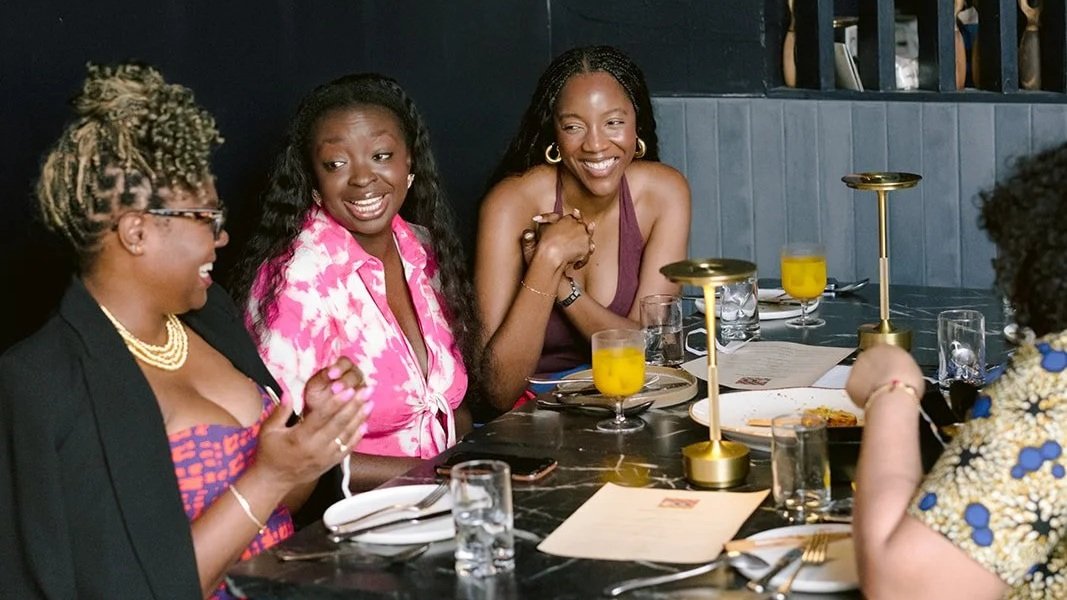
Gold and Groove Experience by Dine Diaspora & Elmina Restaurant | Washington, DC
Long before “experiential dining” became an industry buzzword, Dine Diaspora was already doing the work of bringing people together through food experiences rooted in culture, storytelling, and community. From inimate dinners to festivals that centered chefs, entrepreneurs, and influencers, we understood something early: food is a connector, a bridge, and a opportunity for belonging. In 2026, conmmunity-centered food experiences are becoming more wide-spread.
A Community-Driven Food Culture
In an increasingly tech-forward world, people are actively seeking moments of real connection and experiences intentionally designed to foster community. As a result, we’re seeing the rise of:
Supper clubs hosted in homes, studios, and unexpected spaces
Pop-ups that create urgency, exclusivity, and shared discovery
Immersive, influencer-led dining events that blend food, storytelling, and digital reach
Cultural dinners and communal tables that center identity, memory, and tradition
Dining as Curated Community
What makes these experiences resonate isn’t just the menu. It’s the intentional engagement of guests as participants of the experience. They’re invited into a scene, and like a play, they shape the experience through dining, conversation, and engagement with the chef, theme, or purpose.
This is something Dine Diaspora has championed for years: food as a vehicle for connection, not just consumption. Whether gathering diasporic communities, spotlighting underrepresented chefs, or creating spaces where culture is honored - not commodified, the focus has always been on who is at the table and why.
Creating a Great Food Experience
What is important in a food experience is creating a space that can’t be replicated or optimized by technology. What can’t be replicated is the feeling of being in a room with others, sharing a story, breaking bread, and knowing you’re part of something intentional. That’s why these three elements of a food experience are critical:
Community: providing access to a curated group or network
Tastemaker: Inclusion of a expert - whether a chef or influencer - that is shaping food, culture, or critical issues in a significant way.
Safe-spaces: hosting at a venue that feels inviting and aligns with the “feeling” you want attendees to leave with.