

5 Non-Negotiables for Producing an Impactul Food Conference
There are many food conferences. But what makes them impactful goes beyond simply convening attendees to grapple with food systems issues. Real impact comes from cultivating a dynamic experience where people leave with learnings and connections they can apply to their work and life while feeling seen, heard, and supported.
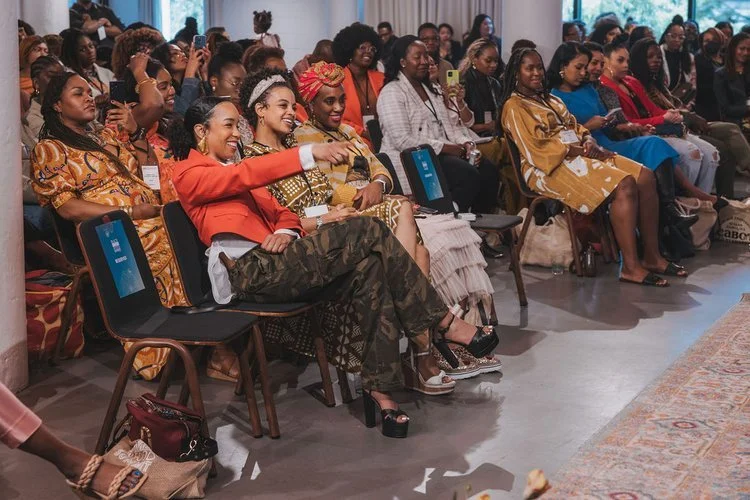
Black Women in Food | Washington, DC
Through producing the Black Women in Food Summit, we’ve identified a set of non-negotiable elements that help create a space that feels like a hug in a food industry that can often be challenging to navigate and thrive-in. Here are our top five:
Design Programming that Meets the Moment and the People
When conferences engage with the most pressing issues of the moment, they become spaces not just for reflection, but for imagining and building. Impactful food conferences design programming that considers the real needs of participants while also responding to what is happening across the industry.
At the Black Women in Food Summit, we begin with a theme that reflects the current moment and use it as the foundation for shaping the entire experience, from workshops and panels to the leaders we invite to speak. The theme acts as a compass, helping ensure that every conversation, session, and experience aligns with what attendees need most right now. For the 2026 summit, the theme Ascend reflects a time of rapid change across food system that necessitates we think about how they can rise together with intention, collaboration, and purpose.
Intentional Vibe Curation
The atmosphere of a conference plays an important role in shaping how people participate. A conference is more than learning and networking, it’s an opportunity to foster community.
At the summit, creating community considers the environment that resonates with our attendees the most, from the music that plays softly in the background to the images and colors used throughout the venue, and the warmth of the welcome participants receive when they arrive. For our attendees, this looks like greeting them with positive affirmations as they enter the space - an engagement that encourages showing up their full selves.
Tracks for Different Needs
It’s no secret that leaders at different stages of their careers need different kinds of learning and development experiences. Creating tracks that respond to these differences helps attendees more easily find both the information and the community they need.
This year, we’ve developed a new track for strategic decision-makers in the food industry - the Executive Experience. This full-day experience is dedicated to unpacking leadership responsibility, influence, and expectations for Black women operating at the highest levels of the food industry. Through focused conversations and peer exchange, participants explore how their leadership can shape the future of food.
Relationship-building Experiences Beyond the Walls of the Conference
Conferences usually have packed schedules of panels and workshops. While valuable, these formats can leave little room for smaller, more personal exchanges where deeper connections are formed. One of the ways the Black Women in Food Summit does this is through curated Dine Around experiences These intimate dinners bring small groups of attendees together at local restaurants. In this setting, attendees are able to connect beyond introductions, sharing ideas and opportunties that can help them proceed in their work.
Meaningful Connections with Local Food Community
Honoring the local food community where a conference takes place is essential. It not only recognizes the farmers, organizers, and food leaders who nourish the region every day, but it also creates opportunities for attendees to engage with the food system in a real and tangible way.
For the Black Women in Food Summit, we’ve introduced a service learning component that connects participants directly to the local food landscape because we believe conferences should not exist in isolation from the communities that host them. Through the experience, attendees have the opportunity to learn about local food challenges from the people working to address them. This might include visiting a local farm to understand regional growing practices or volunteering with a food bank to see firsthand how organizations are responding to food access issues.
Don’t miss the 2026 Black Women in Food Summit from April 23-25 in Washington, DC. Get Tickets.
Author: Nina Oduro, CEO, Dine Diaspora