

The Future of Food Events: 4 Major Shifts You Need to Know
We spent time at the Experiential Marketer Summit (EMS) this past May in Las Vegas. Surrounded by brand strategists, event producers, and marketers who are all trying to answer the same question: how do we translate an event into a lasting cultural moment?
The conversations were rich. The takeaways were real. And honestly? A lot of what was said in those rooms confirmed what we've been practicing at Dine Diaspora for years through the lens of food and culture.
Here's what the summit confirmed for us:
1. In-Person Is Not Making a Comeback. It is Here to Stay.
There’s no better way to have a food event, but in-person. In-person experiences aren't a trendy response to digital fatigue; they're a fundamental human need that the pandemic temporarily interrupted and technology cannot fully replace.
The feeling of being in a room with others, sharing a story, breaking bread, and being part of something intentional can not be replicated. The brands building the deepest loyalty with people today are not trying to digitize food experiences, but leveraging the digital spaces to complement it.
2. A Moment Is Not Enough. Design for the Memory.
The question we should all be asking isn't how do we create a great food event, but how do we create one that people are still talking about six months later?
Dine Diaspora’s events such as our Gold and Groove, a collaboration with Eric Adjepong’s Elmina Restaurant, centered around this idea: a single experience, designed with intention, can become a story that travels. It can generate brand awareness, word-of-mouth advocacy, content, and community. Long after the last plate is cleared or the last speaker wraps, the impact should still be resonating. This means thinking about the arc of the experience, the emotional takeaway, and the follow-up that keeps people connected to what they felt in the room. Every event you produce should have a life before, during, and after. If you're only planning for the night of, you're leaving most of the value on the table.
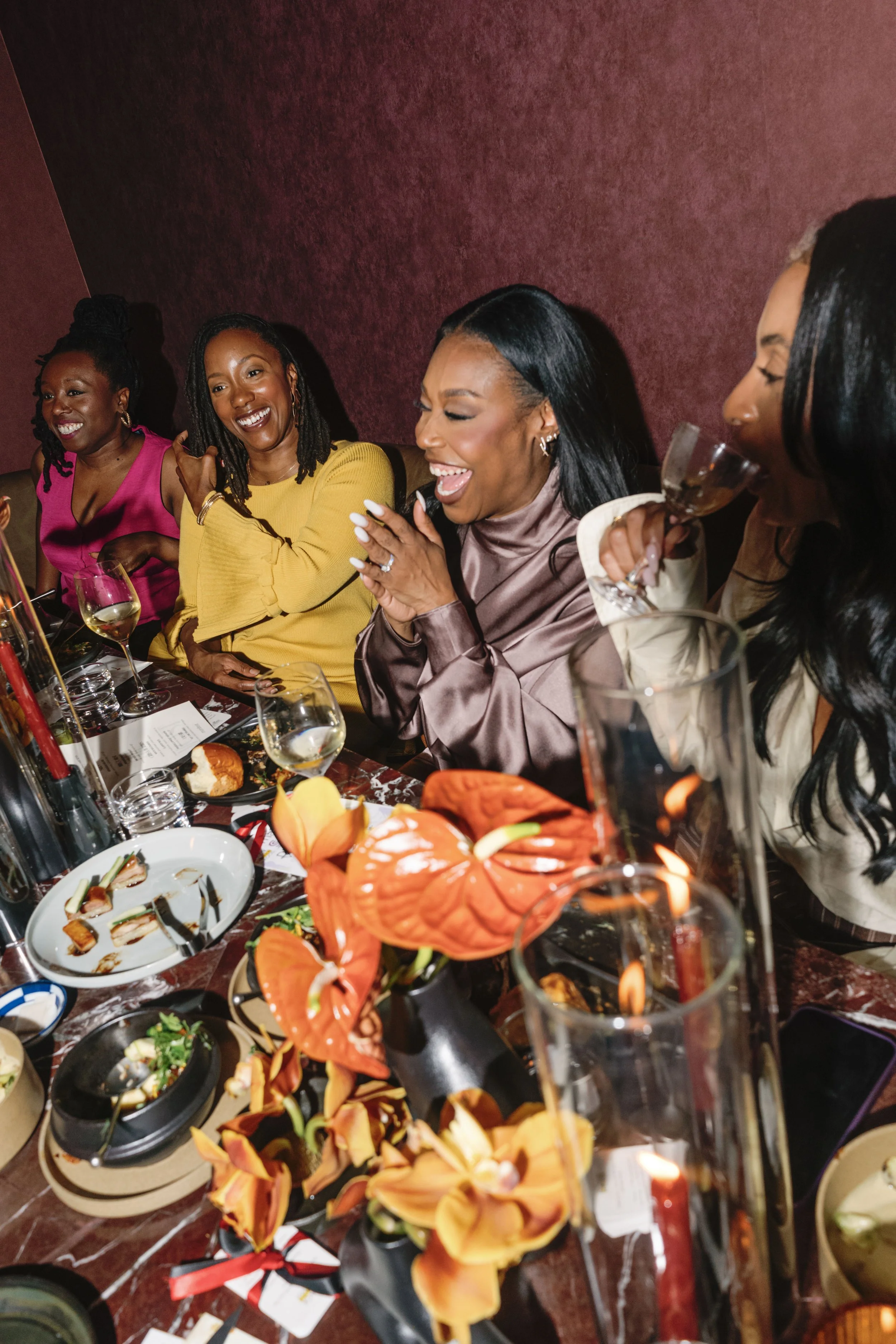
Black Women in Food Summit 2026 | Dine Around Experience presented by OpenTable featuring At the Table with Nia
3. Your Audience Wants Depth. Give It to Them Across Multiple Channels.
One of the most repeated themes at EMS was: audiences aren't passive anymore. They want to be participants, not just attendees. And they want to engage with brands and communities they care about across multiple touchpoints not just show up once and disappear. This means the event is the anchor, but it's not the whole story.
This is the approach we take with the Black Women in Food Summit. Rather than viewing the Summit as a standalone event, the event supports an ecosystem centered on community. Throughout the year, Black Women in Food members connect through a digital platform providing resources and programming, which culminates in an immersive in-person experience focused on learning, networking, and meaningful relationship-building.
When brands invest in that full ecosystem, they stop chasing new audiences and start retaining the one they already have. One highly engaged community that understands your why will drive more growth than a wide audience that barely knows your name.
4. Belonging Leads to Brand Loyalty.
This was the thread that ran through almost every session. People aren't just buying products or attending events, they're looking for places where they feel like they belong. And when a brand creates that feeling consistently, they gain advocates, not just customers.
The brands being held up as case studies weren't the biggest or the most-funded. They were most intentional about who they were inviting to the table, what values they were centering, and whether the experience they were creating reflected the community they claimed to care about. When you prioritize authentic belonging over transactional interactions, you turn one-time attendees into lifelong community members.
The Bigger Picture
We left the Experiential Marketer Summit knowing that this is the moment to go all in on creativity and community. People will come for the food, but will come back for - the connections that feel real, brands that actually see them, and experiences that give them something to carry home. That's always been our vision at Dine Diaspora. And we are excited to continuously translate it.
Author: Safiyah Baxter, Program Coordinator, Dine Diaspora